Definition
1 : the thick application of a pigment to a canvas or panel in painting
also : the body of pigment so applied
2 : raised decoration on ceramic ware usually of slip or enamel
“Impasto,” Merriam-Webster.com Dictionary, https://www.merriam-webster.com/dictionary/impasto. Accessed 6/12/2023.
Impasto in Art
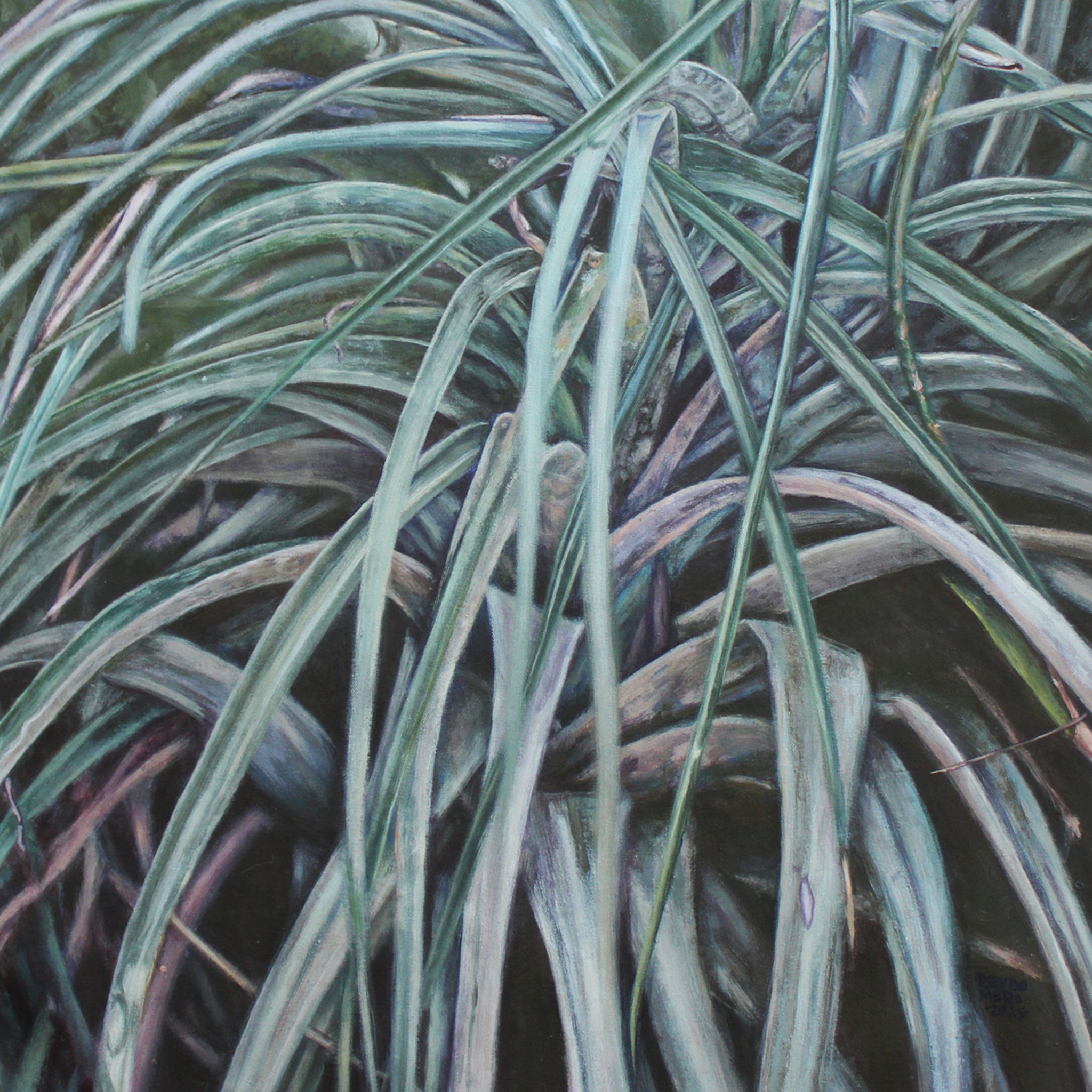
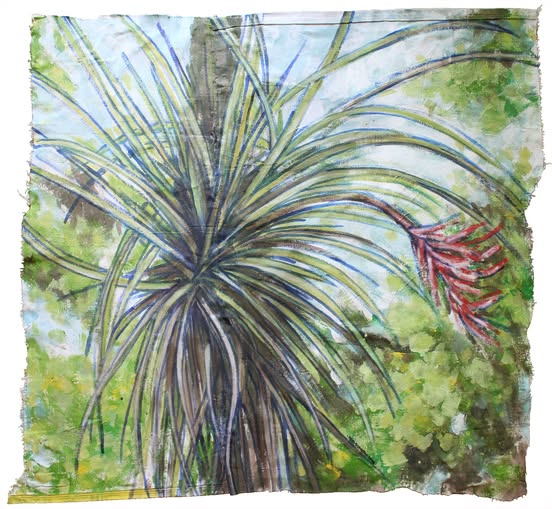
Impasto is a technique commonly used in painting where the paint is applied thickly and with a heavy texture, creating a three-dimensional effect on the canvas. The word “impasto” originates from the Italian word for “dough” or “mixture,” and it accurately describes the process of mixing paint with a thickening agent to achieve a more pronounced and tactile surface. Artists often utilize impasto to add depth, energy, and emotion to their paintings. By layering and manipulating the paint with brushes, palette knives, or even fingers, they can create a variety of textures and enhance the visual impact of their artwork. The raised surfaces of impasto paintings interact with light and shadows, adding an extra dimension to the piece and engaging the viewer in a multisensory experience.
Vincent van Gogh
Vincent van Gogh, a name synonymous with artistic genius and emotional intensity, created a body of work that continues to captivate and inspire generations. Beyond his striking use of color and evocative subject matter, van Gogh’s distinctive brushwork and mastery of impasto technique set him apart as a true pioneer of artistic expression. Van Gogh’s experimentation with impasto breathed life into his paintings, elevating them from mere images to dynamic, textured creations that engage the senses on multiple levels. The impasto technique involves applying paint thickly and with bold strokes, creating a tangible three-dimensional quality on the canvas.

In van Gogh’s world, texture was not just a visual element but a means of conveying raw emotion and capturing the essence of his subjects. His use of impasto allowed him to infuse his works with energy and movement, enabling viewers to feel the rhythm and passion within each brushstroke. Whether it was the swirling night sky in “Starry Night” or the expressive contours of his self-portraits, van Gogh’s impasto-laden surfaces demanded to be felt as much as seen. Nature held a special place in van Gogh’s heart, and through his impasto-laden paintings, he sought to encapsulate its vibrant essence.


His landscapes, such as “Wheatfield with Crows” and “Olive Trees,” are a testament to his ability to transform the texture of paint into rolling fields, rustling leaves, and turbulent skies. The application of thick impasto not only added depth and tactile richness to these scenes but also evoked the inherent vitality and spirit of nature itself. Van Gogh’s emotional struggles and turbulent inner world found an outlet through his impasto-laden canvases. The thick layers of paint became a visual representation of his emotional intensity, with each stroke capturing his anguish, joy, and everything in between.

His self-portraits, such as “Self-Portrait with Bandaged Ear,” reveal the emotional turmoil within, as impasto brushwork creates a palpable sense of tension and introspection.
Van Gogh’s groundbreaking use of impasto left an indelible mark on the art world, influencing generations of artists to come. His bold brushwork and tactile surfaces became synonymous with passionate expression and an artist’s unwavering commitment to their craft. Even today, van Gogh’s impasto technique continues to inspire and challenge artists to push the boundaries of their own artistic endeavors.
We hope you enjoyed and learned something about this week’s Word of the Month!